A Man of One Book
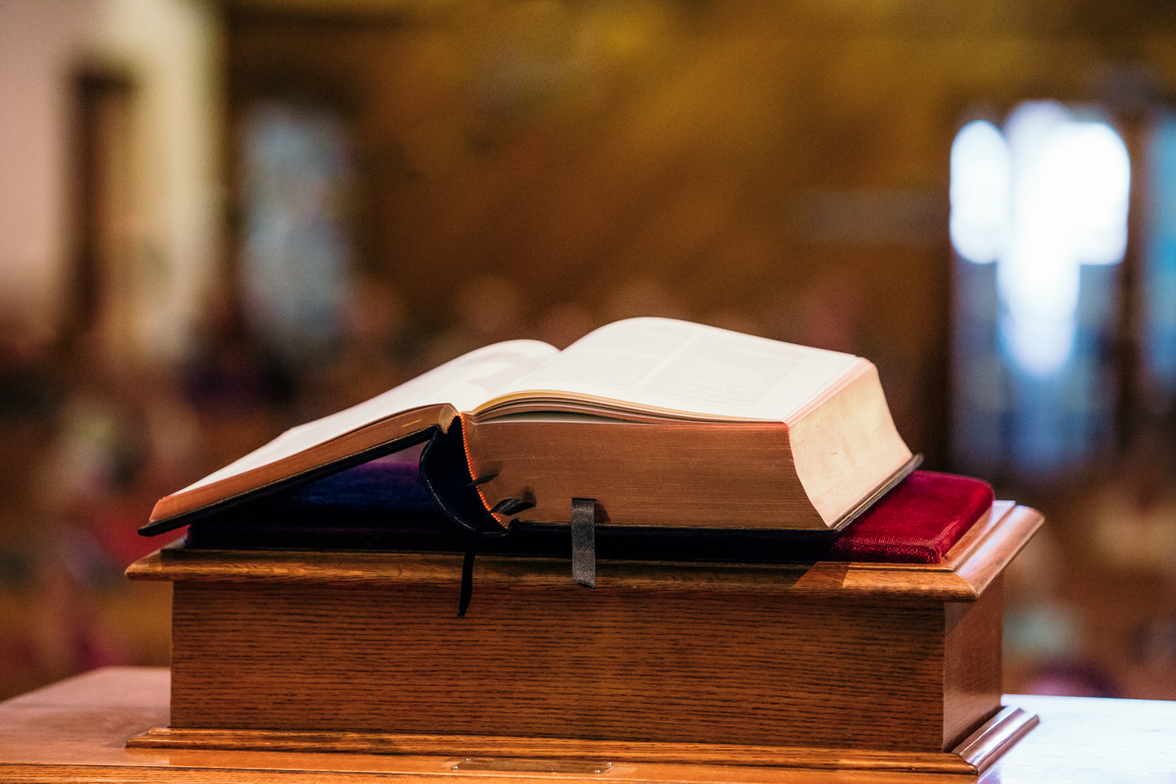
John Wesley famously described himself as a “man of one book.” Although he read widely and engaged the ideas of others, Scripture remained the foundation of his faith, life, and ministry. I have always appreciated that description, and I consider myself a man of one book as well. I believe the Bible is the inspired Word of God and the foundation upon which I seek to build my faith, guide my ministry, and live my life.
In 2 Timothy 3:14–17, Paul reminds Timothy to remain rooted in the Scriptures, declaring that all Scripture is inspired by God and useful for teaching, reproof, correction, and training in righteousness. Scripture is more than something we read for information. It is meant to shape who we are, how we live, and how we follow Jesus.
What Does It Mean to Affirm the Bible?
I sometimes find that people assume if I disagree with their interpretation of Scripture, then I must not affirm the Bible itself. That simply isn't true. Disagreeing with someone's perspective or interpretation does not mean rejecting biblical teaching. In fact, it may be precisely because I take Scripture seriously that I disagree with how someone interprets it.
As United Methodists, we are Bible-affirming people. We believe Scripture is central to our faith and practice, and that the Holy Spirit works through it to reveal God's grace, challenge our assumptions, and guide us toward faithful living. But being Bible-affirming does not require being a biblical literalist.
In fact, I believe it is impossible to be a literalist in the strictest sense. The Bible contains poetry, parables, proverbs, historical narratives, letters, prophetic writings, and apocalyptic visions. We don't read a Psalm the same way we read Paul's letters, nor do we interpret a parable the same way we interpret historical narrative. Jesus uses metaphors, imagery, and figurative language throughout his teaching. When Jesus calls himself the vine or the bread of life, we understand those statements as meaningful metaphors rather than literal descriptions.
Scripture was also written across centuries, within different historical and cultural contexts. Understanding those contexts matters when we seek to understand what the biblical authors were communicating and how those teachings apply today. Even those who claim to interpret the Bible literally must make decisions about context, language, symbolism, and application. All of us interpret Scripture. The question is whether we do so thoughtfully, prayerfully, and faithfully.
Scripture Is God-Breathed
In 2 Timothy 3:16, the word translated “God-breathed” or “inspired by God” is the Greek word theopneustos. It literally means God-breathed, combining theos, meaning God, with the Greek breathing root pneō. It expresses the belief that Scripture originates from God through the work of the Holy Spirit and human authors.
I believe that same Holy Spirit continues to work as we read and study Scripture. We don't approach the Bible simply to confirm what we already believe. We approach it expecting God to speak. Scripture sometimes affirms us, sometimes challenges us, and sometimes confronts our assumptions and calls us to change. God uses Scripture not simply to inform us but to transform us into people who reflect the love of Christ.
Anchoring Our Faith in Scripture
While interpretation matters, we must never use it as an excuse to dismiss Scripture when it challenges us. Paul reminds Timothy that Scripture is useful for teaching, reproof, correction, and training in righteousness. It must remain the foundation of what we teach, what we proclaim, and how we grow in faith.
The Bible isn't a tool to justify our opinions, political preferences, or personal prejudices. It is the foundation that should challenge and shape them. If our interpretation consistently leads us away from loving our neighbors, caring for the vulnerable, extending grace, and embodying the teachings of Jesus, then perhaps we need to reconsider how we are reading it.
I consider myself a man of one book, not because I believe I have mastered Scripture or settled every theological disagreement, but because I continually return to it to encounter the God who calls me to follow Jesus. I want Scripture to shape my preaching, leadership, relationships, decisions, and life. I want to be corrected when I am wrong, challenged when I am complacent, and encouraged when I am discouraged.
We can disagree about interpretations without abandoning our commitment to Scripture. We can wrestle with difficult passages without diminishing their importance. We can affirm the Bible as the inspired Word of God while recognizing that faithful interpretation requires humility, study, and the guidance of the Holy Spirit.
May we be people of one book, grounded in the Word of God and shaped by the grace of Jesus Christ.
In God's grip,
Pastor Chuck Church

-
First United Methodist Church of Whitesboro