The "Yet" Factor
Scripture:
"Though the fig tree should not blossom, nor fruit be on the vines, the produce of the olive fail and the fields yield no food, the flock be cut off from the fold and there be no herd in the stalls, yet I will rejoice in the Lord; I will take joy in the God of my salvation."
Habakkuk 3:17–18 (NRSV)
There is something uniquely defeating about putting time, energy, and hope into something you have planted, only to watch it fail to produce. I know that feeling personally.
When I was younger, I planted a garden with my grandfather. I remember the work that went into preparing the soil, planting the seeds, watering, and watching those little plants begin to grow. There was something exciting about seeing something we had planted begin to take shape. We had invested our time and effort, and naturally, we hoped that investment would eventually produce something we could harvest.
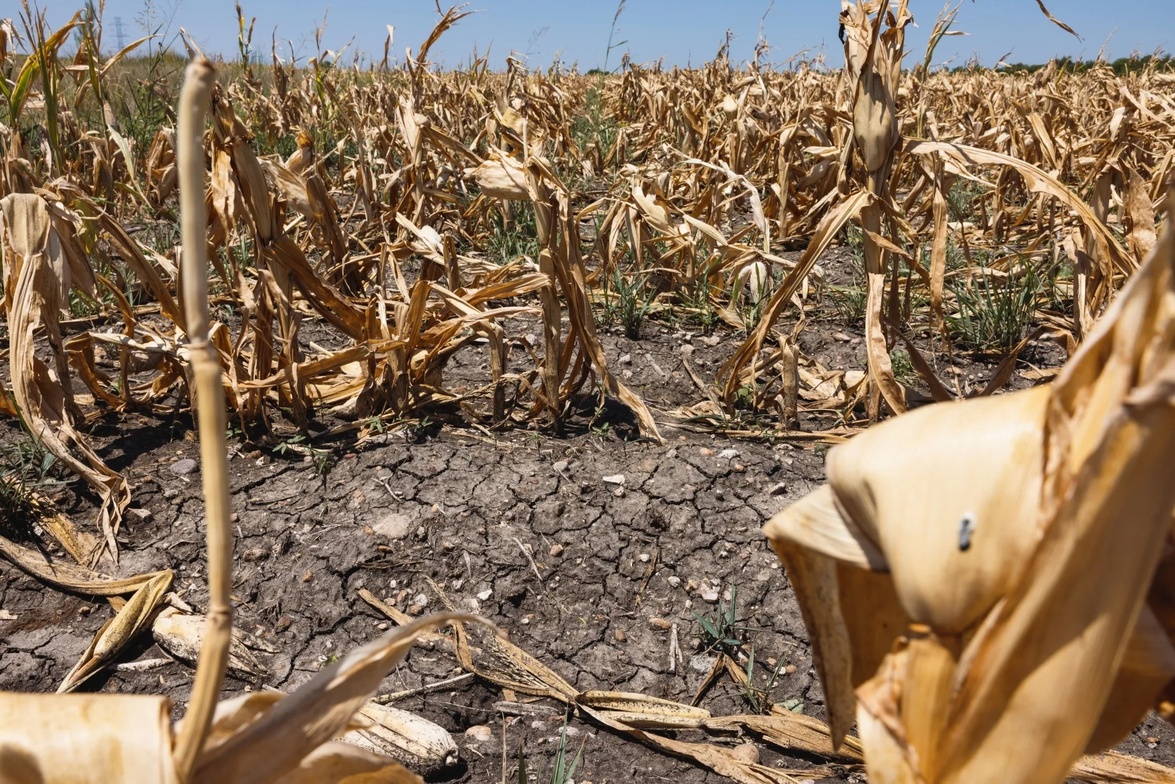
But then came a brutal Texas summer, much like the one we have experienced this year. The heat was relentless. The garden struggled, and eventually, much of what we had planted was destroyed. All that work, and we did not produce much of a harvest. At the time, I remember feeling defeated. When you plant something, you want to see it produce fruit. You want to see that your work mattered. You want to be able to point to something and say, “Look what came from all that effort.”
But looking back now, I realize something important. The garden produced more than I thought it did. It just did not produce the kind of fruit I was looking for. I may not remember everything that grew in that garden, but I remember working alongside my grandfather. I remember the time we spent together. I remember learning from him and simply being with him. What I thought was a failed garden actually became a treasured memory.
Sometimes I wonder if ministry is much the same way. We plant seeds. We prepare, work, pray, organize, teach, lead, visit, encourage, and create opportunities for people to encounter Christ. Then we wait for the fruit. Sometimes we see it, and sometimes we do not.
Sometimes an event we have poured ourselves into does not turn out the way we hoped. Sometimes attendance is disappointing. Sometimes a program does not gain momentum. Sometimes a ministry we have invested in seems to produce very little. Sometimes we wonder whether all the work was worth it. That can be deeply discouraging because we naturally want to measure our ministry by its visible results.
Habakkuk reminds us that our joy cannot ultimately depend on the harvest. Habakkuk describes what would have been a complete agricultural disaster. There is no fruit on the vines, no produce in the fields, no sheep in the fold, and no cattle in the stalls. Everything they had planted and depended upon had failed. And then comes one of the most powerful words in Scripture: “Yet.”
“Yet I will rejoice in the Lord; I will take joy in the God of my salvation.”
Habakkuk does not deny the failure. He does not pretend the circumstances are better than they are. He simply refuses to let his circumstances determine where his joy comes from. There will be seasons in ministry when the garden does not produce what we hoped it would. There will be things we plant that never seem to grow. There will be work that feels like failure.
Yet, we have Christ. Yet, God is faithful. Yet, our salvation is secure. Yet, God can use our faithfulness in ways we may never see.
Perhaps most importantly, the value of what we do for God is not always measured by what we can see. I thought that garden was about vegetables. Looking back, I realize it was also about a grandfather and a grandson spending time together. Maybe some of the things we call unsuccessful in ministry are producing fruit we simply cannot see yet. Maybe the sermon that seemed to fall flat planted a seed. Maybe the conversation that did not seem significant gave someone hope. Maybe the person who did not return to church still remembers that someone cared. Maybe the ministry we thought failed gave us an opportunity to love someone in Jesus’ name.
We are called to be faithful in the planting. God is responsible for the harvest.
So when the garden does not produce, do not let disappointment steal your joy. Do not allow the visible results of ministry to become the measure of your faithfulness or your worth. Instead, remember Habakkuk’s word: Yet.
I may not see the fruit I hoped for, yet I will rejoice in the Lord. I may be tired, yet I will rejoice in the Lord. The ministry may feel difficult, yet I will rejoice in the Lord. The numbers may not be what I hoped, yet I will rejoice in the Lord.
Because our ultimate joy is not found in the work we accomplish for God. Our joy is found in God Himself.
Reflection
Where are you feeling defeated because something you have planted does not seem to be producing fruit? Where do you need to place a “yet” in your thinking this week? What is one practical thing you can do to protect your personal joy in Christ from being swallowed up by the demands of ministry?
Closing Prayer
Almighty God, thank You for calling us to serve Your Church. Forgive us for the times when we have loved the work of ministry more than we have loved You. When the things we plant do not produce the fruit we hoped for, remind us that our faithfulness is not wasted. Help us trust You with the harvest and find our joy in You rather than in visible results. When ministry feels dry, exhausting, or disappointing, remind us that You are our ultimate reward. Restore to us the joy of our salvation today, and let our service flow from a place of delight in You rather than simply duty. In Jesus’ name, Amen.

-
First United Methodist Church of Whitesboro